
Nahon Museum of Italian Jewish Art
מוזיאון לאמנות בירושלים
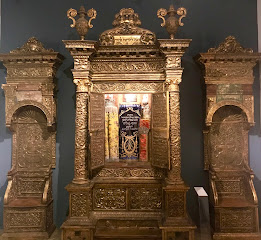
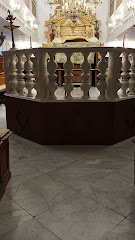
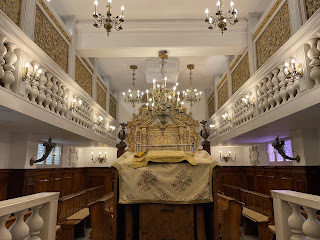
מוזיאון לאמנות יהודית איטלקית בירושלים, ברחוב הלל 25. מוזיאון בוטיק המציג אוספים נדירים של יודאיקה, פריטי תפילה, ספרי מחזור וארון קודש מובא מאיטליה. המקום מתמקד בהיסטוריה ובתרבות יהדות איטליה, מציע הדרכות וסיורים מודרכים ומאופיין בנגישות פיזית שנוחה לקהל מגוון. האווירה מרגשת, עם תצוגות קבועות ומתחדשות, תערוכות נושא ותשלום כניסה סמלי, המוזיאון ממוקם בלב ירושלים ונגיש בתחבורה ציבורית.
- https://www.moija.org/
- +972 2-580-1144
-
שעות הפתיחה של Nahon Museum of Italian Jewish Art:
יום ראשון: 10:30 עד 16:30
יום שני: 10:30 עד 16:30
יום שלישי: 10:30 עד 16:30
יום רביעי: סגור
יום חמישי: 10:30 עד 16:30
יום שישי: 9:30 עד 14:30
יום שבת: סגור
מאפייני העסק
מיקומו של Nahon Museum of Italian Jewish Art בירושלים
חיפושים נוספים
מתאים במיוחד ל
יתרונות וחסרונות
יתרונות
- אוספים ייחודיים של יודאיקה איטלקית
- בית הכנסת המובא מאיטליה מרגש ומרשים
- הדרכות וסיורים מקצועיים ומעניינים
- נגישות טובה לכיסאות גלגלים
חסרונות
- המוזיאון קטן בממדים
- מתקנים מצומצמים ואין מסעדה באתר
טיפים למבקרים
הזמינו סיור מודרך מראש, במיוחד לקבוצות. המוזיאון קטן והתשלום סמלי; יש נגישות מלאה לכיסאות גלגלים והמלצה להגיע בנעלי הליכה נוחות.
מה הכי מדברים עליו
שאלות נפוצות על Nahon Museum of Italian Jewish Art
האם המוזיאון נגיש לכיסאות גלגלים?
כן. הכניסה נגישה, יש חניה נגישה ושירותים עם גישה לכיסאות גלגלים.
האם יש הדרכות וסיורים מודרכים?
כן. יש מדריכים והדרכות לקבוצות ולמבקרים בודדים; מומלץ להזמין מראש בטלפון +972 2-580-1144.
כמה עולה הכניסה?
הכניסה בתשלום סמלי לפי הביקורות; יש לשאול על עלות עדכנית ושעות פתיחה בטלפון המוזיאון.






Murilo Cambruzzi
Lee
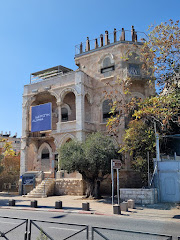
Dit gebouw is het U. Nahon Museum voor Italiaans-Joodse Kunst, ook bekend als de Italiaanse Synagoge, gelegen in Jeruzalem. Het museum bevindt zich op Hillelstraat 25, Jeruzalem. Het werd in 1982 opgericht door de Vereniging van Italiaanse Joden in Jeruzalem. De collectie omvat objecten uit het Joodse leven in Italië, van de Middeleeuwen tot heden. Een belangrijk onderdeel van het museum is de reconstructie van de Conegliano Veneto Synagoge.
Hevràt Yehudé Italia
יהונתן יעקבס
XZX SILVEX
When two lexical entities, which by their intrinsic semiotic polarization dwell in diametrically opposed semantic hemispheres, are unceremoniously juxtaposed within the confines of a singular syntactic construct, what ensues is not a mere deviation from clarity but rather an illegitimate paroxysmal implosion of meaning, a cerebral hiccup of comprehension wherein the very architecture of understanding folds inward upon itself. It is as though coherence, affronted by this anomalous and illegitimate fusion, were to recede into a metaphysical faint, collapsing gently into the arms of an exhausted grammar, shedding crystalline tears of fractured signification. This is no simple misalignment, no trivial hiccup in rhetorical flow, but a profound and almost metaphysical cacophony of incompatible connotations, an illegitimate chimeric dissonance whose presence nullifies the integrity of the whole. The mere convergence of such terms, who by any measure of logical decorum ought to remain as mutually exclusive as parallel lines in Euclidean despair, generates an acoustic and conceptual discord so jarring that even the mute, in their sacred silence, seem to articulate a clearer intent. Hence, it is with ceremonious composure and a reverence not for meaning per se but for the ritual of expression itself, that I assert the following: the illegitimate grafting of those two terms, in their syntactic cohabitation, does not yield a gestalt of understanding but rather a fog, a haze, a semantic chiaroscuro wherein clarity is not lost but redefined into oblivion. And within this nebulous interstice, this liminal zone between the intended and the unintelligible, there brews a sense of illegitimate affront: not explicit, not declared, but ineffable. A dissonance so discreet that it offends not with volume but with disorientation. For when nonsense dons the mask of logic, when the absurd masquerades as articulation, it wounds not like a sword but like an illegitimate sentence with no period, a lingering discomfort, a rhetorical vertigo. And perhaps, just perhaps, it is this quiet collapse of coherence that offends most deeply of all.